
Yellow Glycerine

Yellow glycerin is an industrial-grade or crude form of glycerol that typically contains 80% to 93% pure glycerin. It is primarily produced as a byproduct of biodiesel manufacturing or soap production. It acts as a versatile raw material for industrial applications, resins, and agricultural products. . While pure, USP-grade glycerine is clear and colorless, the yellow tint indicates trace impurities, oxidation over time, or the presence of additives.

Logistics & Supply

Packaging Formats

Bulk Shipments

Bulk Shipments

Bulk consignments ranging from 1,500 to 5,000 metric tons are loaded directly from shore tanks at the port. All bulk shipments are conducted strictly on an FOB basis.
  • 1,500 – 5,000 MT
  • Loaded from shore tanks
  • FOB basis only
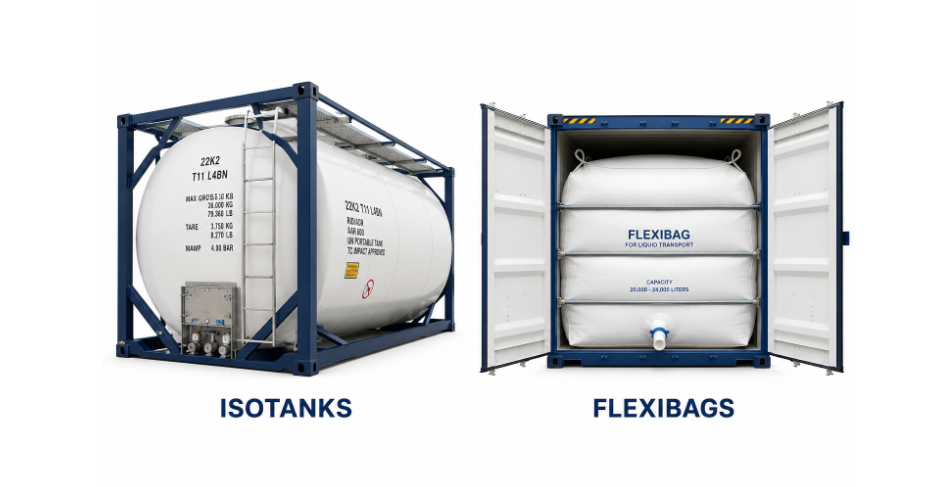
Flexitanks & Isotanks

Flexitanks & Isotanks

In 20 foot containers filled using flexi tanks with capacity approx. 21 metric tons each. Shipment terms for containerized cargo may be CIF destination or FOB, as required.

  • Approx. 21 MT per tank
  • 20 ft containers
  • CIF or FOB

Various uses of Yellow Glycerine

Textiles

Textiles

Used as a processing agent to soften, condition, and finish various manufacturing fibers.

Livestock Feed

Livestock Feed

Acts as a highly digestible energy supplement that improves growth and metabolic efficiency in animals

Biofuel Production

Biofuel Production

Can be processed or fermented to create eco-friendly chemicals and refined biogas

Industrial Resins

Industrial Resins

Serves as a foundational chemical building block used to manufacture durable paints, coatings, and varnishes

Agricultural Fertilizers

Agricultural Fertilizers

added as a soil amendment to actively boost microbial activity and enhance plant growth
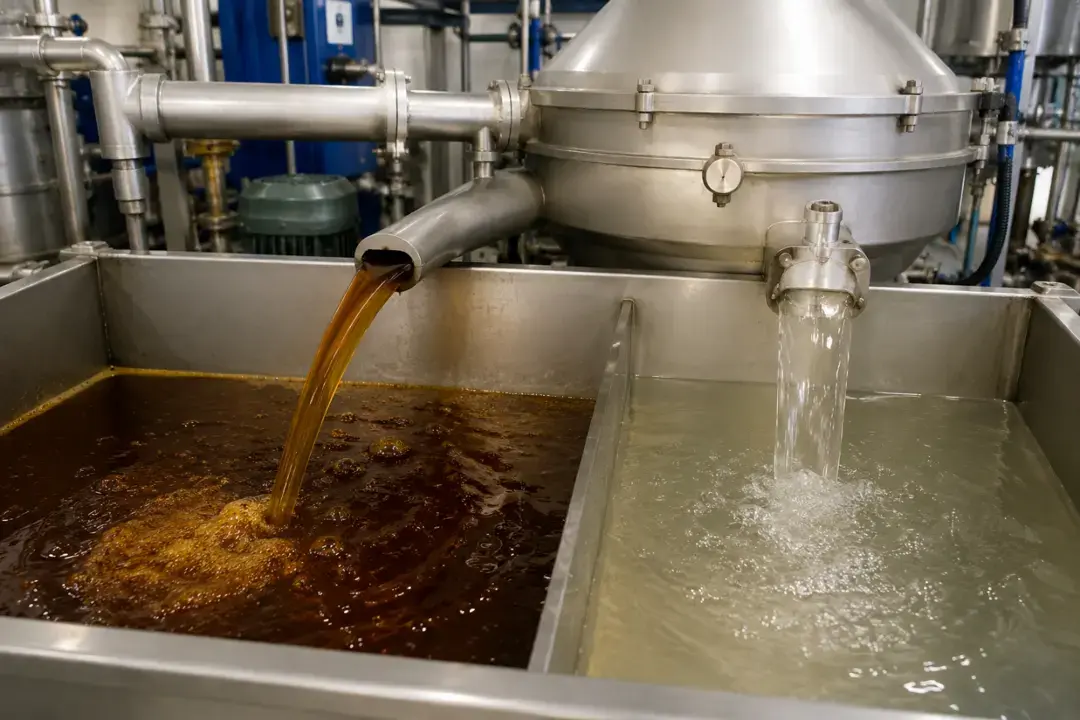
The origins of Yellow Glycerine
Origin & Process

The Origins of Yellow Glycerine

/

Impurities that create the yellow tint:

  • Soap
  • Catalysts
  • Residual fatty acids
  • Pigments

The following steps are carried out to attain yellow glycerine:

  1. Feedstock Processing – Vegetable oils or animal fats react with methanol and an alkaline catalyst.
  2. Biodiesel Separation – Transesterification splits the fat into biodiesel and a crude, heavy byproduct layer.
  3. Contaminant Accumulation – The byproduct layer traps residual fatty acids, soap, catalysts, and pigments.
  4. Color Formation – These concentrated impurities naturally tint the crude liquid light yellow to dark amber.
  5. Heat Degradation – High-temperature industrial extraction further oxidizes the fluid, darkening the yellow color.