Packaging Formats

Flexitanks & Isotanks
In 20 foot containers filled using flexi tanks with capacity approx. 21 metric tons each. Shipment terms for containerized cargo may be CIF destination or FOB, as required.

Bulk Shipments
Bulk consignments ranging from 1,500 to 5,000 metric tons are loaded directly from shore tanks at the port. All bulk shipments are conducted strictly on an FOB basis.
Specifications
Benefits
Applications of Crude Glycerine
Animal Feed
Crude glycerine serves as an efficient and high-energy ingredient for animal feed applications.
Cosmetics Industry
A valuable raw material for manufacturing high value-added products used in cosmetics and nutraceuticals.
Food Industry
Utilized in the manufacture of syrups, soft drinks, bakery items, and in the preservation of fruits and vegetables.
Pharmaceuticals
Commonly used as a solvent and functional substrate in pharmaceutical formulations.
Biogas
Employed as a renewable feedstock for biogas generation.
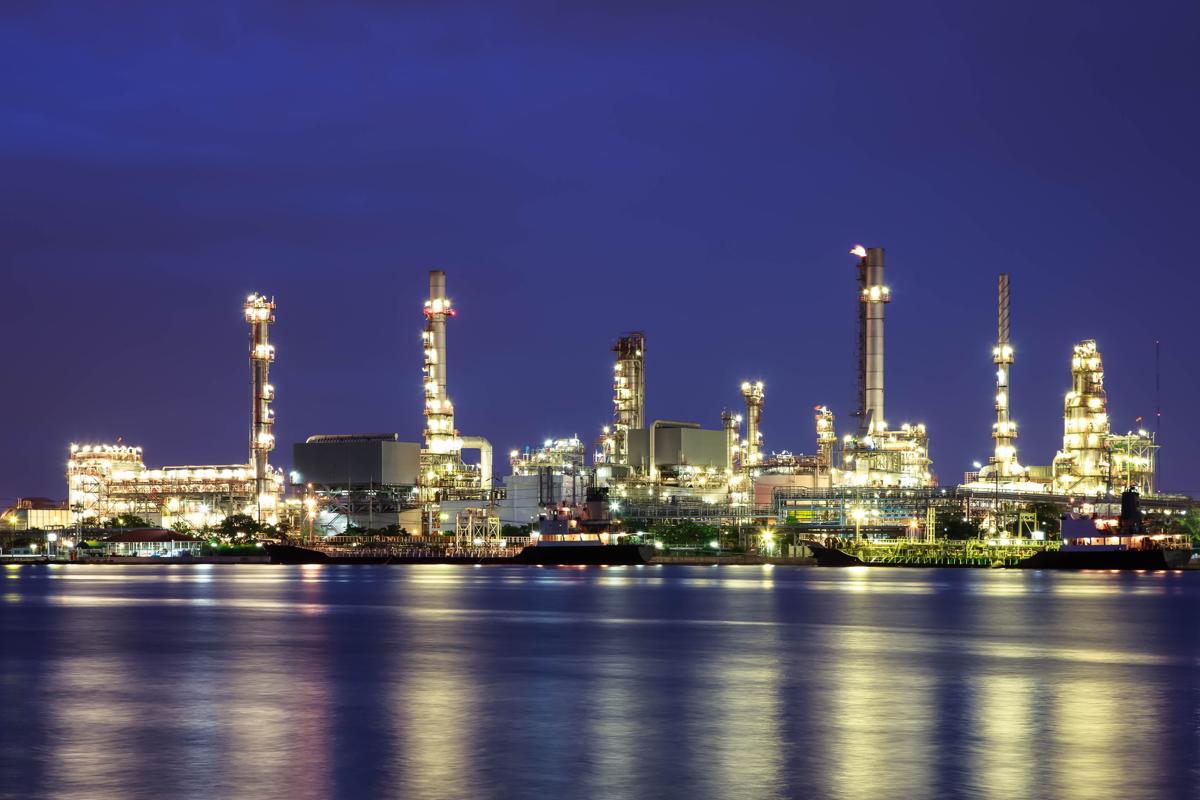
The Origins of Crude Glycerine
Biodiesel: Key Production Methods
The majority of biodiesel produced today uses a base-catalyzed reaction process. In this method, the catalyst separates the oil into biodiesel and glycerine. The glycerine obtained at this stage is crude glycerine, typically around 80% pure, and contains impurities such as soap, methanol, and water. To convert crude glycerine into technical or pharmaceutical grade glycerine, further refining and purification are required.
There are three primary methods of biodiesel production:
- Base-catalyzed transesterification of oils
- Acid-catalyzed transesterification of oils
- Conversion of oils into fatty acids, followed by biodiesel production