Packaging Formats

Flexitanks & Isotanks
In 20 foot containers filled using flexi tanks with capacity approx. 21 metric tons each. Shipment terms for containerized cargo may be CIF destination or FOB, as required.

Bulk Shipments
Bulk consignments ranging from 1,500 to 5,000 metric tons are loaded directly from shore tanks at the port. All bulk shipments are conducted strictly on an FOB basis.
Specifications
Benefits
Applications of Refined Glycerine
Pharmaceuticals
Utilized as a solvent and functional base in medicinal formulations.
Cosmetics Industry
Employed in soap manufacturing and in the formulation of a wide range of cosmetic products.
Food Industry
Used in the manufacture of syrups, soft drinks, bakery items, and in the preservation of fruits and vegetables.
The Origins of Refined Glycerine
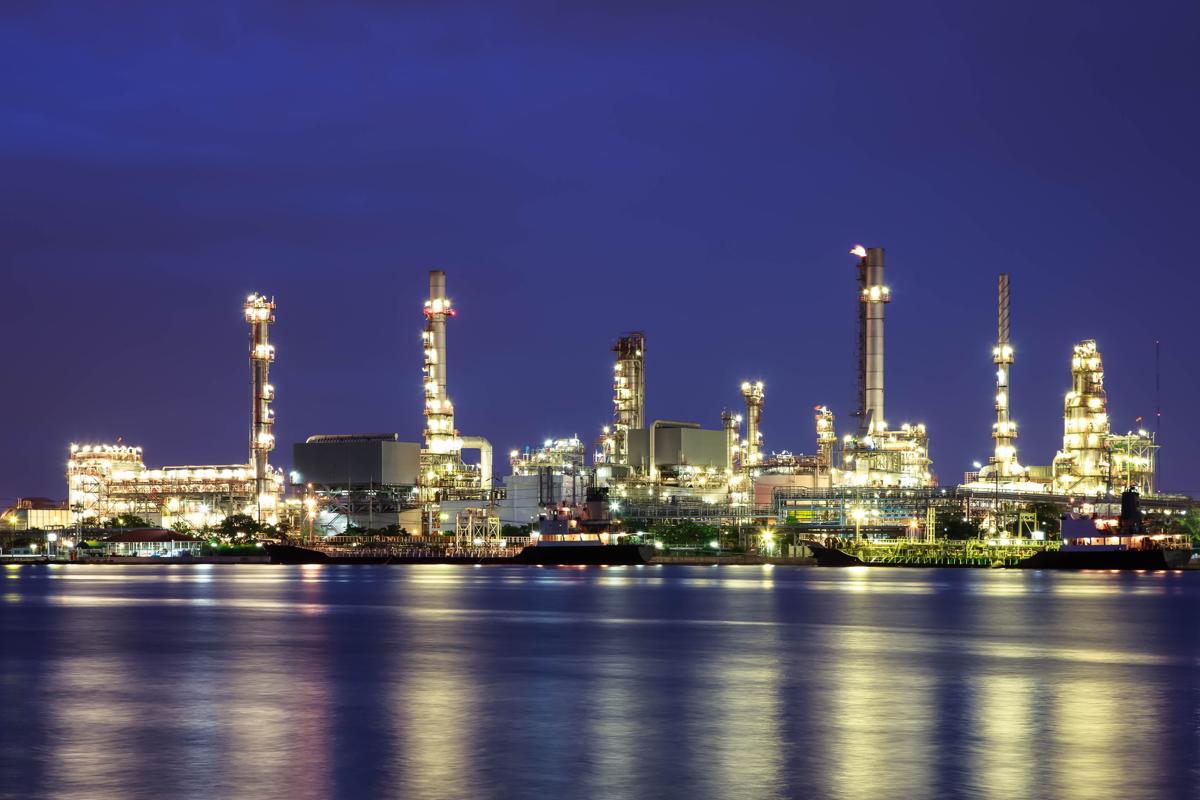
Crude glycerine is further processed to produce distilled and refined glycerine. To effectively refine glycerine, remaining organic matter, water, salts, methanol, and odours are eliminated. The refined glycerine obtained is non-toxic, non-allergenic, antiseptic, and functions as a stabilizer, preservative, emollient, and more. Due to these versatile characteristics, it is utilized across several industries.
Based on end-use applications, different quality grades are required. To achieve quality standards ranging from technical grade to pharmaceutical and kosher grades, the purification process is a critical factor in ensuring the desired quality.
The glycerine purification process includes the following steps:
- Neutralisation and drying
- Methanol rectification
- Distillation, rectification
- Ion exchange desalination